Hurricane Isaias came ashore near Destin at about 9:30 p.m. on Friday, October 9, as a Category 2 storm. Water in Panama City Beach rose about 5.6 feet above average high tide. Bay County crews found the wooden deck of M.B. Miller County Pier torn off, and WMBB reported that the pier will stay closed until repairs are finished.
That's a real loss. M.B. Miller is a 1,500-foot pier with its own bait and tackle shop, Coastal Tackle. The timing helps, though. The fish had already slowed down at the end of the pier. The best fishing in Panama City Beach right now is along bay docks after dark and on surf beaches where the sand fleas are, and most of what an angler needs to know this month is about those two places.
What the storm took, and what it left
This isn't the first time M.B. Miller has had to be rebuilt. Hurricane Dennis damaged it in 2005, and it was rebuilt afterward. Until the county announces a reopening, plan on fishing somewhere else.
That leaves Russell-Fields City Pier as Panama City Beach's other Gulf pier. The city closed it at 7 a.m. on October 9, ahead of the storm. The city's facility page now lists the pier as open 24 hours a day, 365 days a year. In the weeks after a hurricane, check that page the morning you plan to go.
Here's how the two piers compare on paper:
| M.B. Miller County Pier | Russell-Fields City Pier | |
|---|---|---|
| Status after Isaias | Closed until deck repairs are complete | Listed by the city as open 24/7 |
| Daily fishing rate | $6 on the county's fee list | $7 |
| Seniors 65+, military, disabled | $3 | $3 with documentation or ID |
| Kids 6 and under | Free | Free |
| Annual passes | Sold at Frank Brown Park, good at both piers | Sold at Frank Brown Park, good at both piers |
The piers went quiet before the deck came off
The clearest read on what's biting comes from the Half Hitch Tackle fishing report dated October 16. Its pier section says the piers "have been set back a bit by the hurricane" and that "Fishing is very slow right now." A couple of king mackerel came over the rails before the storm, and Half Hitch calls that "history for now."
The same report expects the piers to recover and turn into "the hot spots so many anglers wait for all year." For the next few weeks, though, closing the longer of the two piers mostly takes away a slow option. The fishing that's working is happening somewhere else.
Where the fish are this month
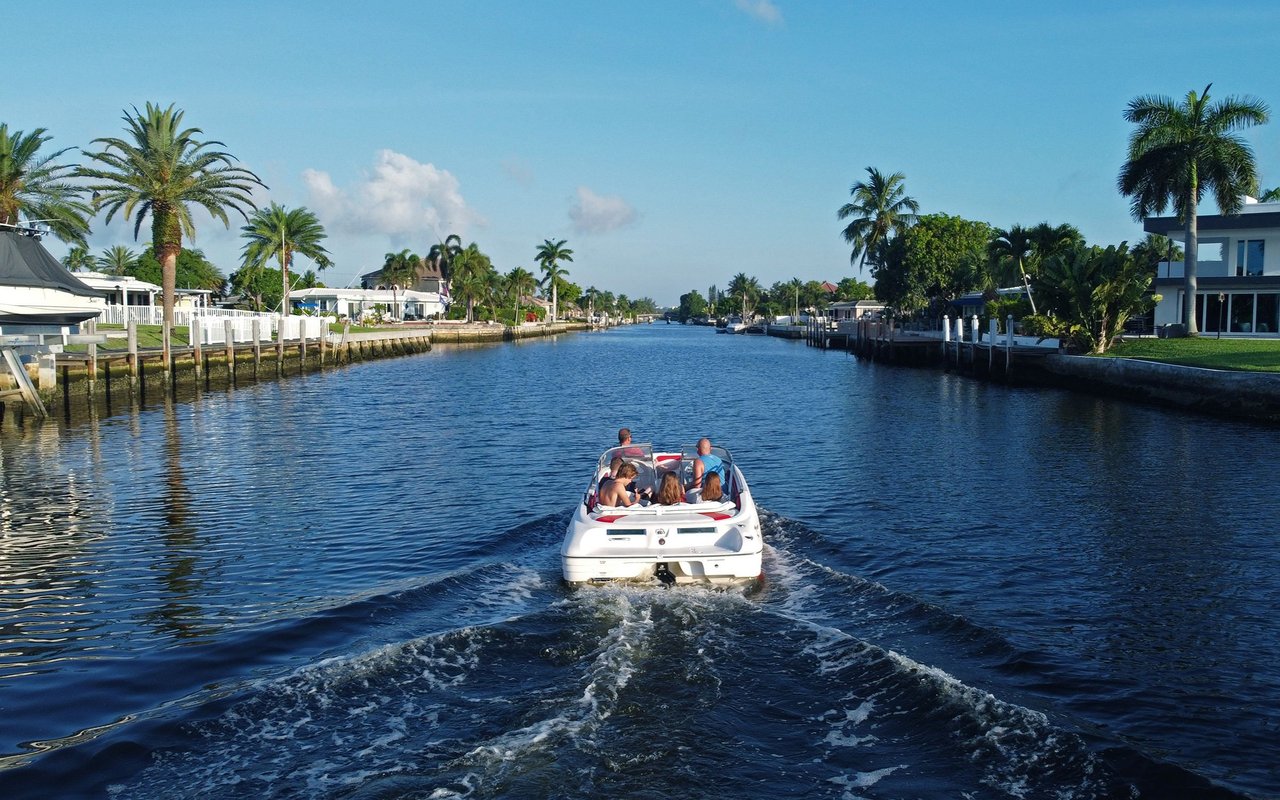
The bay, after dark
Half Hitch says "The bay has been hot as the water clears up a bit!" and reports that redfish "are everywhere, searching for food." Trout are hungry too. The specific tip is to fish around docks late at night as the tide rises toward the early-morning highs, using live bait on a set rig or free-lined. The report suggests a dropper-loop set rig and quiet casting, because a lot of splashing can end a night early.
That matches what the Florida Fish and Wildlife Conservation Commission says about Bay County in general. Its seasonal guide for the county lists red drum, which are redfish, as a year-round catch and spotted seatrout from spring into early winter. Both species keep the bay productive well into late fall.
The surf, where the fleas are
The other fish worth chasing right now is pompano. Half Hitch says they're "keyed in on the fleas." Bring live sand fleas if you can find them, plus frozen shrimp and a pack or two of blanched fleas as backup. Some anglers have caught their limits and others have gone home empty-handed. The report notes that "these slab pompano had just started showing up before the storm," and suggests learning the beach you plan to fish.
FWC's general Bay County guide calls pompano a spring fish. A fall run before the storm is the kind of thing that only shows up in a weekly local report.
Offshore, if you have a boat
Half Hitch reports bonita and some blackfin tuna in deeper water. Since the storm, cut bait has done better than live bait, probably because the water is still carrying silt.
Shore spots that are open, as of the state's latest update
Pier fishing slowed and bay and surf fishing picked up, so the next question is which shoreline access is open. The Florida State Parks storm updates page, effective October 17, lists Blackwater Heritage State Trail and Topsail Hill Preserve State Park as closed because of Isaias. Neither park in Panama City Beach is on that list.
- St. Andrews State Park. The park offers fishing from the jetties and the surf, plus a fishing pier on Grand Lagoon. Hours are 8 a.m. to sunset year-round, and admission is $8 per vehicle. The Grand Lagoon pier puts you on protected water, where the bay bite is happening.
- Camp Helen State Park. The park lists both freshwater and saltwater fishing, but its beach trail has been closed since October 14. Check the park's page before planning a surf session there.
- Powell Lake. FWC includes it among Bay County's popular fishing spots, along with both piers and St. Andrews.
The rules that apply where the fish moved
Moving to the bay and the surf also changes which rules you're most likely to run into this month.
Flounder are catch-and-release right now. FWC's flounder regulations close harvest every year from October 15 through November 30 in Gulf and Atlantic state waters. Bay County's seasonal guide lists flounder as a fall fish, and Half Hitch says they're "around" in the bay. Its advice is to handle them carefully and release them quickly. If you fish the docks after dark for redfish, you'll probably hook flounder you can't keep until December.
Shore fishing has its own license option. FWC says Florida residents who fish saltwater only from shore, or from a structure attached to shore, can get a no-cost shoreline license. It doesn't cover fishing from a boat or from a shore you reached by boat. FWC lists the resident annual saltwater license at $17. Nonresidents have to buy a saltwater license unless a charter or a licensed fishing pier covers them. The shoreline license FAQ spells out the details.
Shark fishing from land needs a separate permit. Anglers 16 and older targeting sharks from shore, jetties, bridges or piers need FWC's no-cost shore-based shark permit in addition to a saltwater license. FWC says no exemptions apply, including on licensed piers. The requirements are on FWC's saltwater fishing license page.
This is general information, not legal advice. Confirm the license or permit you need with FWC before you fish.
What an annual pass covers right now
Pier passes are where the closure costs the most. The city sells a $150 annual fishing pass, a $120 Bay County annual, and either 20 visits or three months for $80. Military, senior and disabled passes are half price with documentation or ID. All of them are sold at the Frank Brown Park Community Center, Monday through Friday, 8 a.m. to 6 p.m. Annual passes are honored at both M.B. Miller and Russell-Fields. For now, a pass covers one pier instead of two.
At Russell-Fields' $7 daily rate, the $120 Bay County pass pays for itself on the 18th visit. If you usually split your trips between the two piers, the math doesn't change, but every one of those visits now happens at Russell-Fields. If you were going to buy a three-month pass this week, the pier report suggests holding off until Half Hitch says the piers have picked up. Bay and surf fishing don't require a pier pass.
If guests at your Panama City Beach rental are asking where to fish this fall, or you'd like to talk through how storm season affects owning near the Gulf, Vicki and Tori at Beach Escapes Coastal Living would be glad to help. Schedule a consultation whenever it suits you.